

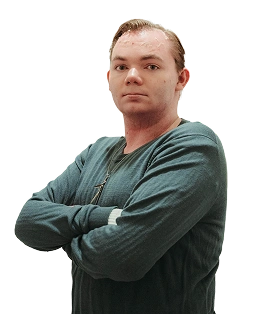

Patient ambassador with arms crossed Henry takes FILSUVEZ and is a paid ambassador for Chiesi. This is Henry’s personal experience, which may differ from yours. Please consult your healthcare provider.

FILSUVEZ was effective in treating dystrophic and junctional epidermolysis bullosa wounds in the landmark EASE trial

Patient ambassador with arms crossed Henry takes FILSUVEZ and is a paid ambassador for Chiesi. This is Henry’s personal experience, which may differ from yours. Please consult your healthcare provider.
  • EASE Trial Design
  • Primary End Point
  • Open-Label, Follow-Up Study
  • FILSUVEZ Results
EASE Trial Design
FILSUVEZ was studied in the largest clinical trial of people with dystrophic or junctional epidermolysis bullosa

A clinical trial called EASE tested how safe and effective FILSUVEZ was in treating skin wounds in people with DEB or JEB. The study enrolled a total of 223 children and adults with DEB and JEB who were between 6 months and 81 years of age (with a median age of 12 years).

During the 90-day double-blind phase of the trial, patients treated their wounds with either FILSUVEZ or placebo gel. Afterward, participants from both groups were able to join the optional 2-year, open-label, follow-up study, during which all patients used FILSUVEZ.

swipe-noteSwipe to see content
90-day
double-blind,* phase 3 study
Target wounds were measured and treated
with FILSUVEZ or placebo
Layer_1
109 participants
FILSUVEZ
plus standard-of-care wound dressing
Layer_2
114 participants
Placebo Gel
plus standard-of-care wound dressing
Day 0
Day 45
Primary end point results
were measured
Day 90
Day 0 of follow-up
2-year
open-label, follow-up study 
All patients used FILSUVEZ, and it was applied to all wounds
Layer_3
205 participants
FILSUVEZ
plus standard-of-care wound dressing
Month 12
Year 2
End of
follow-up

*Double-blind refers to a type of study in which neither the participants nor the researchers know which study group they are in.

Open-label refers to a type of study in which the participants and the researchers know which treatment they are given. All participants have the same visits, tests, and check-ins.

Standard-of-care dressings were nonadhesive dressings of physician or patient choice.

Primary End Point

FILSUVEZ was effective in treating dystrophic and junctional epidermolysis bullosa wounds in the landmark EASE trial

In the 90-day, double-blind phase of the EASE trial, researchers measured how well FILSUVEZ helped wounds heal by selecting one wound per participant to track during the study. Primary end point results showed that more than 40% of participants who were treated with FILSUVEZ experienced complete wound closure in approximately one and a half months (45 days) compared with 29% of people using placebo gel.

left-image

Patients using FILSUVEZ

VS
right-image

Patients using placebo gel (RR, 1.44; 95% CI, 1.01-2.05; P=.013)

within
1.5
months
Heart with a bandage
Healing may take time. Continue treatment as directed and talk with your doctor about expectations, even if you don’t see results right away.

Complete wound closure criteria:

  • A target wound selected in advance had to be 100% closed by Day 45 for treatment to be considered successful
  • A wound was considered completely closed when the skin had fully healed over it and there was no fluid or drainage coming from the wound
  • Wounds that did not meet the definition of 100% closure by Day 45 were not counted in the primary end point for FILSUVEZ, even if there was noticeable healing
CI, confidence interval; RR, relative risk.

Double-Blind, Phase 3 Study Open-Label, Follow-Up Study

Healing continued beyond 90 days

After the 90-day trial period, patients had the option to remain in the trial for another 2 years in the open-label, follow-up study. Patients who continued in the trial saw lasting results over time.
The average area of skin covered by wounds decreased by 36% in the first 3 months. By 2 years, it reduced by 50%§
Start of trial
90 days
36% reduction in the average area of skin covered by wounds at Day 90 among patients using FILSUVEZ in the double-blind phase.

The mean percentage of body surface area affected by wounds at Day 90 was 7.4% (-4.3% absolute change from baseline).

2 years
50% reduction after 2 years of treatment among patients who continued using FILSUVEZ in the open-label, follow-up study.

The mean percentage of body surface area affected by wounds decreased from 12.1% at baseline to 6.1% at study completion.

§These findings are exploratory, meaning researchers are studying them to learn more and help guide future research. Talk with your doctor about what these results may mean for you and your treatment goals.
Because other key study results were not statistically significant, these findings should be interpreted with caution.
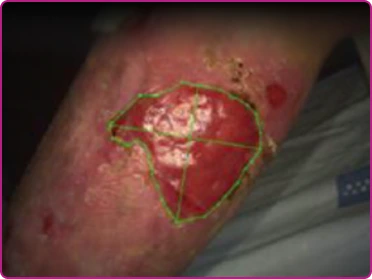
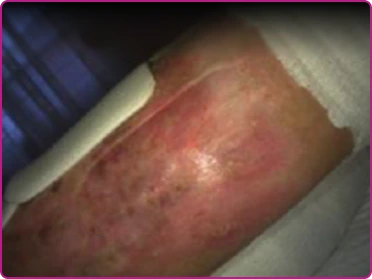
FILSUVEZ Results
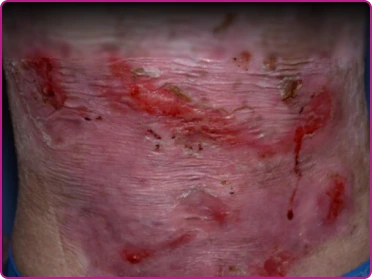
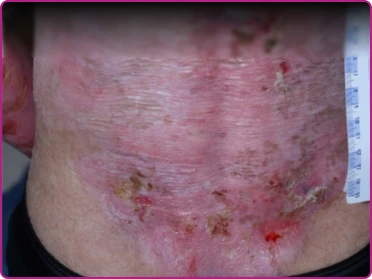
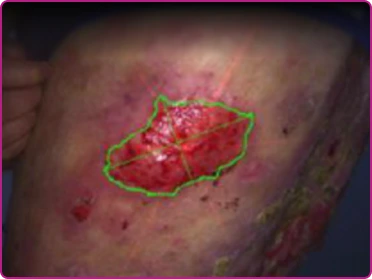
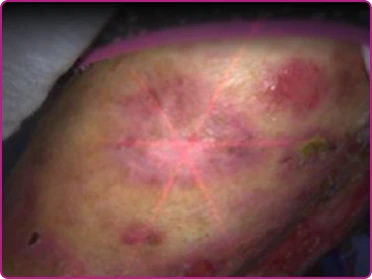
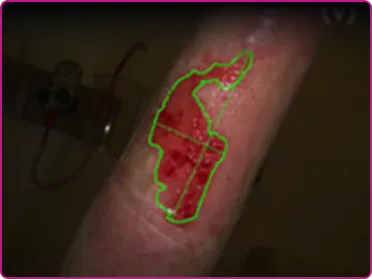
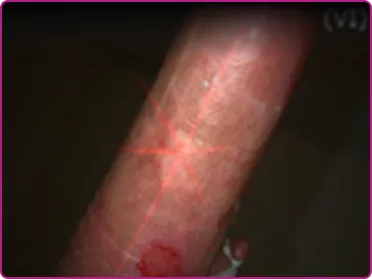
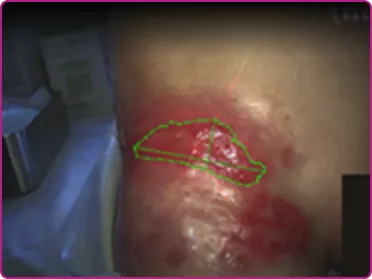
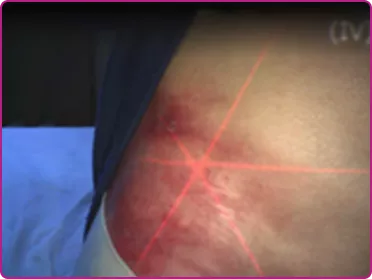
See the results after treatment with FILSUVEZ
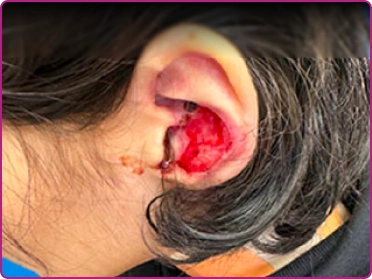
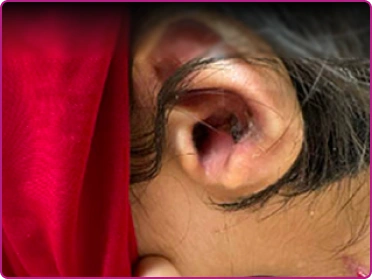
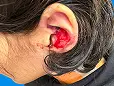
Before treatment with FILSUVEZ
Before of a junctional epidermolysis bullosa wound Before of a junctional epidermolysis bullosa wound
After 6 months of treatment
After of a junctional epidermolysis bullosa wound After of a junctional epidermolysis bullosa wound
Junctional EB wound. Image adapted from Collins A et al. JAAD Case Rep. 2025;61:146-149.
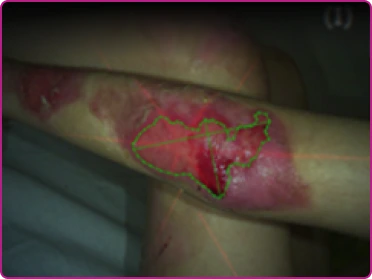
Before treatment with FILSUVEZ
Before of a junctional epidermolysis bullosa wound Before of a junctional epidermolysis bullosa wound
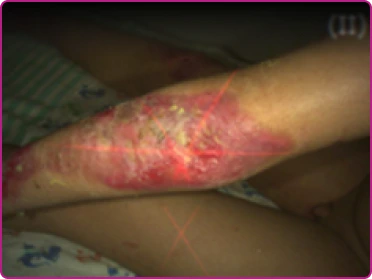
After 8 months of treatment
After of a junctional epidermolysis bullosa wound After of a junctional epidermolysis bullosa wound
Junctional EB wound. Image adapted from Davidovic M et al. JEADV Clin Pract. 2025. doi:10.1002/jvc2.70162
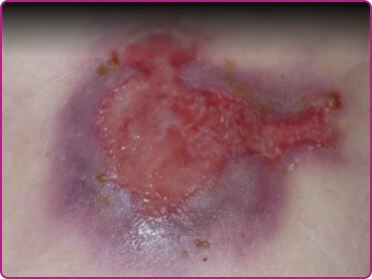
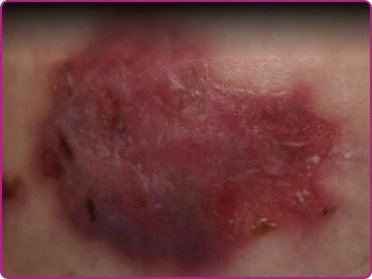
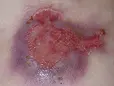
Before treatment with FILSUVEZ
Before of a recessive dystrophic epidermolysis bullosa wound Before of a recessive dystrophic epidermolysis bullosa wound
After 5 months of treatment
After of a recessive dystrophic epidermolysis bullosa wound After of a recessive dystrophic epidermolysis bullosa wound
Recessive dystrophic EB wound. Image adapted from Davidovic M et al. JEADV Clin Pract. 2025. doi:10.1002/jvc2.70162
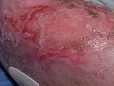
Before treatment with FILSUVEZ
Before of a recessive dystrophic epidermolysis bullosa wound Before of a recessive dystrophic epidermolysis bullosa wound
After 6 months of treatment
After of a recessive dystrophic epidermolysis bullosa wound After of a recessive dystrophic epidermolysis bullosa wound
Recessive dystrophic EB wound. Image adapted from Davidovic M et al. JEADV Clin Pract. 2025. doi:10.1002/jvc2.70162
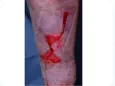
Before treatment with FILSUVEZ
Before of a recessive dystrophic epidermolysis bullosa wound Before of a recessive dystrophic epidermolysis bullosa wound
After 6 months of treatment
After of a recessive dystrophic epidermolysis bullosa wound After of a recessive dystrophic epidermolysis bullosa wound
Recessive dystrophic EB wound. Image adapted from Davidovic M et al. JEADV Clin Pract. 2025. doi:10.1002/jvc2.70162
Before treatment with FILSUVEZ
Before of a recessive dystrophic epidermolysis bullosa wound Before of a recessive dystrophic epidermolysis bullosa wound
After 1.5 months of treatment
After of a recessive dystrophic epidermolysis bullosa wound After of a recessive dystrophic epidermolysis bullosa wound
Recessive dystrophic EB wound. Image adapted from Bruckner AL et al. J Dermatol. 2025;52:1447-1451.
Before treatment with FILSUVEZ
Before of a recessive dystrophic epidermolysis bullosa wound Before of a recessive dystrophic epidermolysis bullosa wound
After 1.5 months of treatment
After of a recessive dystrophic epidermolysis bullosa wound After of a recessive dystrophic epidermolysis bullosa wound
Recessive dystrophic EB wound. Image adapted from Bruckner AL et al. J Dermatol. 2025;52:1447-1451.
Before treatment with FILSUVEZ
Before of a recessive dystrophic epidermolysis bullosa wound Before of a recessive dystrophic epidermolysis bullosa wound
After 3 months of treatment
After of a recessive dystrophic epidermolysis bullosa wound After of a recessive dystrophic epidermolysis bullosa wound
Recessive dystrophic EB wound. Image adapted from Murrell DF et al. J Dermatol. 2025;192:1007-1017.
Before treatment with FILSUVEZ
Before of a recessive dystrophic epidermolysis bullosa wound Before of a recessive dystrophic epidermolysis bullosa wound
After 3 months of treatment
After of a recessive dystrophic epidermolysis bullosa wound After of a recessive dystrophic epidermolysis bullosa wound
Recessive dystrophic EB wound. Image adapted from Murrell DF et al. J Dermatol. 2025;192:1007-1017.
Before treatment with FILSUVEZ
Before of a recessive dystrophic epidermolysis bullosa wound Before of a recessive dystrophic epidermolysis bullosa wound
After 3 months of treatment
After of a recessive dystrophic epidermolysis bullosa wound After of a recessive dystrophic epidermolysis bullosa wound
Recessive dystrophic EB wound. Image adapted from Murrell DF et al. J Dermatol. 2025;192:1007-1017.
Before treatment with FILSUVEZ
Before of a recessive dystrophic epidermolysis bullosa wound Before of a recessive dystrophic epidermolysis bullosa wound
After 3 months of treatment
After of a recessive dystrophic epidermolysis bullosa wound After of a recessive dystrophic epidermolysis bullosa wound
Recessive dystrophic EB wound. Image adapted from Murrell DF et al. J Dermatol. 2025;192:1007-1017.
Before treatment with FILSUVEZ
Before of a recessive dystrophic epidermolysis bullosa wound Before of a recessive dystrophic epidermolysis bullosa wound
After 3 months of treatment
After of a recessive dystrophic epidermolysis bullosa wound After of a recessive dystrophic epidermolysis bullosa wound
Recessive dystrophic EB wound. Image adapted from Murrell DF et al. J Dermatol. 2025;192:1007-1017.
Before treatment with FILSUVEZ
Small-1 Small-1
Small-2 Small-2
Small-3 Small-3
Small-4 Small-4
Small-5 Small-5
Small-6 Small-6
Small-7 Small-7
Small-8 Small-8
Small-9 Small-9
Small-10 Small-10
Small-11 Small-11
Small-12 Small-12
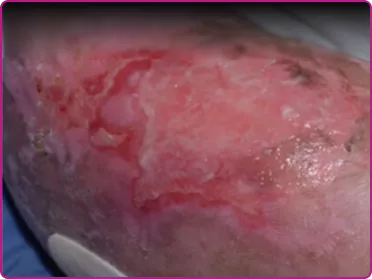
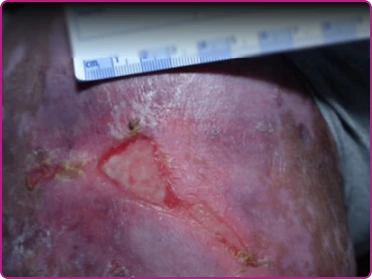
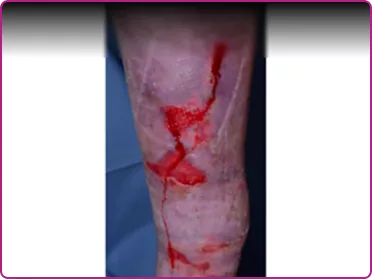
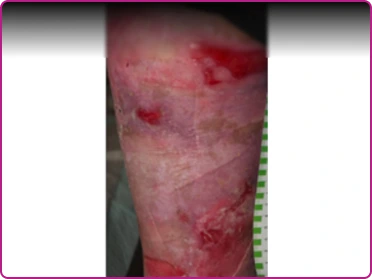
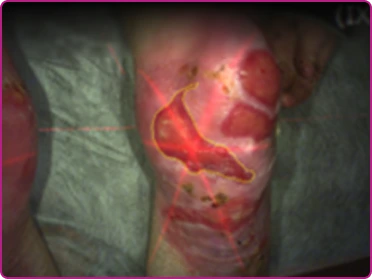
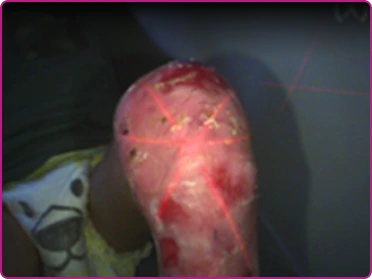
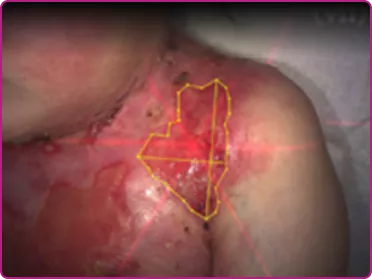
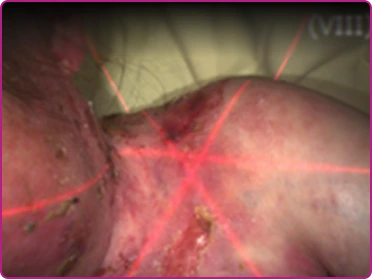
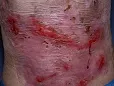
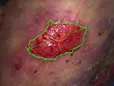
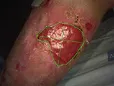
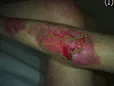
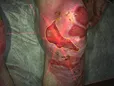
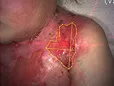
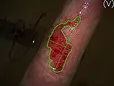
These images depict wounds from patients with recessive dystrophic and junctional EB treated with FILSUVEZ. Images used with permission under Creative Commons license BY 4.0.
Want to learn more about FILSUVEZ? Watch a wound care–certified registered nurse from your specialty pharmacy explain the data, or download the FILSUVEZ Treatment Guide for detailed information.
1
Learn about the safety of FILSUVEZ
Safety

Important Safety Information & Indication

What is the most important safety information I should know?

FILSUVEZ may cause a serious side effect of allergic reactions.

Allergic reactions and skin reactions to FILSUVEZ may include the following symptoms: red itchy bumps (hives), skin rash, redness or itching. If you get any of these symptoms, stop using FILSUVEZ right away and call your healthcare provider.

What are the possible side effects of FILSUVEZ?

The most common side effect of FILSUVEZ is application site reactions, such as pain and itchy skin.

Call your doctor for medical advice about side effects. You may report side effects to FDA at 1-800-FDA-1088

How should I use FILSUVEZ?

See the detailed “Instructions for Use” that comes with FILSUVEZ for information on how to apply FILSUVEZ.

Use FILSUVEZ exactly as your healthcare provider tells you to use it.

The tube of FILSUVEZ is for one-time use only. After the tube has been opened, apply the gel right away. Throw away any remaining gel and the tube after use.

Do not use around or get FILSUVEZ in the eyes, or mucous membrane areas, examples are mouth, vagina or anus.

If you get FILSUVEZ in your eyes or mucous membrane area, rinse with clean water right away. Contact your healthcare provider if you have any discomfort.

If the wounds you are treating with FILSUVEZ become infected, stop treatment and contact your healthcare provider. Signs or symptoms of infection may include the wound becoming red, warm, swollen, painful or drains yellow or greenish fluid (pus).

Please see Full Product Information and Patient Information.

What is FILSUVEZ (birch triterpenes) topical gel for?

FILSUVEZ is a prescription medicine used on the skin to treat wounds that may happen with dystrophic and junctional epidermolysis bullosa (EB) in adults and children 6 months of age and older.

It is not known if FILSUVEZ is safe and effective in children younger than 6 months of age.

Important Safety Information & Indication

What is the most important safety information I should know?

FILSUVEZ may cause a serious side effect of allergic reactions.

Allergic reactions and skin reactions to FILSUVEZ may include the following symptoms: red itchy bumps (hives), skin rash, redness or itching. If you get any of these symptoms, stop using FILSUVEZ right away and call your healthcare provider.

What are the possible side effects of FILSUVEZ?

The most common side effect of FILSUVEZ is application site reactions, such as pain and itchy skin.

Call your doctor for medical advice about side effects. You may report side effects to FDA at 1-800-FDA-1088

How should I use FILSUVEZ?

See the detailed “Instructions for Use” that comes with FILSUVEZ for information on how to apply FILSUVEZ.

Use FILSUVEZ exactly as your healthcare provider tells you to use it.

The tube of FILSUVEZ is for one-time use only. After the tube has been opened, apply the gel right away. Throw away any remaining gel and the tube after use.

Do not use around or get FILSUVEZ in the eyes, or mucous membrane areas, examples are mouth, vagina or anus.

If you get FILSUVEZ in your eyes or mucous membrane area, rinse with clean water right away. Contact your healthcare provider if you have any discomfort.

If the wounds you are treating with FILSUVEZ become infected, stop treatment and contact your healthcare provider. Signs or symptoms of infection may include the wound becoming red, warm, swollen, painful or drains yellow or greenish fluid (pus).

Please see Full Product Information and Patient Information.

What is FILSUVEZ (birch triterpenes) topical gel for?

FILSUVEZ is a prescription medicine used on the skin to treat wounds that may happen with dystrophic and junctional epidermolysis bullosa (EB) in adults and children 6 months of age and older.

It is not known if FILSUVEZ is safe and effective in children younger than 6 months of age.

PP-RA-01919 V1.0