

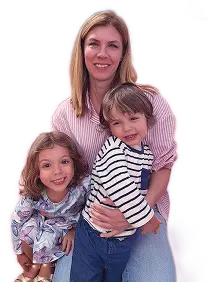
background-image Elizabeth is a caregiver and is a paid ambassador for Chiesi. This is Elizabeth's personal experience, which may differ from yours. Please consult your healthcare provider.

Understanding the types of epidermolysis bullosa

Caregiver ambassador posing with her loved ones Elizabeth is a caregiver and is a paid ambassador for Chiesi. This is Elizabeth's personal experience, which may differ from yours. Please consult your healthcare provider.
  • Types of EB
  • Managing DEB or JEB
Types of EB

Epidermolysis bullosa is a rare, inherited condition that makes the skin more delicate, leading to frequent wounds and blistering. The chronic wounds that result may be painful and take a long time to heal.

There are 4 main types of EB: EB simplex (EBS), Kindler EB (KEB), junctional EB (JEB), and dystrophic EB (DEB). Each causes fragile skin and blisters and can range in severity.
EBS
EBS affects the outermost layer of the skin and many cases are considered mild. In more severe cases, it can affect nails, hair, or areas like the mouth, vagina, or anus.
KEB
Kindler EB causes sensitivity to sunlight and gradual changes in skin color and texture. Over time, it may also lead to the fusion of fingers or toes.
JEB
JEB affects the middle layer of the skin and can cause severe blisters all over the body. It can involve the mouth, hair, nails, and sometimes internal organs.
DEB
DEB causes blistering, which may start at birth or in early childhood. Symptoms vary from mild (such as nail loss or oral complications) to severe (such as scarring that fuses fingers or toes or an increased risk of skin cancer).

FILSUVEZ is for dystrophic and junctional EB wounds.

Managing DEB or JEB

Managing dystrophic or junctional epidermolysis bullosa on your terms

If you are living with dystrophic or junctional EB, you likely know your diagnosis well. You know that having EB often means caring for fragile skin that requires frequent, lengthy, and sometimes painful wound care. Over time, many people develop a wound care routine with their doctor that fits their individual needs and daily life and responsibilities.

Those living with epidermolysis bullosa often take an active role in decisions about their care, including:

Medical gauze
Managing dressing changes as part of your regular routine

Mental/emotional/overwhelming
Coping with the day-to-day challenges of living with or caring for a loved one with EB

Two people connected in a video call
Working with a team of doctors to help manage care
Document
Navigating financial considerations
Watch this video to learn more about epidermolysis bullosa and FILSUVEZ, and hear about available support

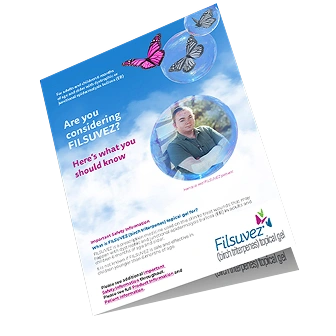
Consideration brochure
Learn how FILSUVEZ may fit into your care plan
1
See how FILSUVEZ helps put you in control of your wound care routine
About FILSUVEZ

Important Safety Information & Indication

What is the most important safety information I should know?

FILSUVEZ may cause a serious side effect of allergic reactions.

Allergic reactions and skin reactions to FILSUVEZ may include the following symptoms: red itchy bumps (hives), skin rash, redness or itching. If you get any of these symptoms, stop using FILSUVEZ right away and call your healthcare provider.

What are the possible side effects of FILSUVEZ?

The most common side effect of FILSUVEZ is application site reactions, such as pain and itchy skin.

Call your doctor for medical advice about side effects. You may report side effects to FDA at 1-800-FDA-1088

How should I use FILSUVEZ?

See the detailed “Instructions for Use” that comes with FILSUVEZ for information on how to apply FILSUVEZ.

Use FILSUVEZ exactly as your healthcare provider tells you to use it.

The tube of FILSUVEZ is for one-time use only. After the tube has been opened, apply the gel right away. Throw away any remaining gel and the tube after use.

Do not use around or get FILSUVEZ in the eyes, or mucous membrane areas, examples are mouth, vagina or anus.

If you get FILSUVEZ in your eyes or mucous membrane area, rinse with clean water right away. Contact your healthcare provider if you have any discomfort.

If the wounds you are treating with FILSUVEZ become infected, stop treatment and contact your healthcare provider. Signs or symptoms of infection may include the wound becoming red, warm, swollen, painful or drains yellow or greenish fluid (pus).

Please see Full Product Information and Patient Information.

What is FILSUVEZ (birch triterpenes) topical gel for?

FILSUVEZ is a prescription medicine used on the skin to treat wounds that may happen with dystrophic and junctional epidermolysis bullosa (EB) in adults and children 6 months of age and older.

It is not known if FILSUVEZ is safe and effective in children younger than 6 months of age.

Important Safety Information & Indication

What is the most important safety information I should know?

FILSUVEZ may cause a serious side effect of allergic reactions.

Allergic reactions and skin reactions to FILSUVEZ may include the following symptoms: red itchy bumps (hives), skin rash, redness or itching. If you get any of these symptoms, stop using FILSUVEZ right away and call your healthcare provider.

What are the possible side effects of FILSUVEZ?

The most common side effect of FILSUVEZ is application site reactions, such as pain and itchy skin.

Call your doctor for medical advice about side effects. You may report side effects to FDA at 1-800-FDA-1088

How should I use FILSUVEZ?

See the detailed “Instructions for Use” that comes with FILSUVEZ for information on how to apply FILSUVEZ.

Use FILSUVEZ exactly as your healthcare provider tells you to use it.

The tube of FILSUVEZ is for one-time use only. After the tube has been opened, apply the gel right away. Throw away any remaining gel and the tube after use.

Do not use around or get FILSUVEZ in the eyes, or mucous membrane areas, examples are mouth, vagina or anus.

If you get FILSUVEZ in your eyes or mucous membrane area, rinse with clean water right away. Contact your healthcare provider if you have any discomfort.

If the wounds you are treating with FILSUVEZ become infected, stop treatment and contact your healthcare provider. Signs or symptoms of infection may include the wound becoming red, warm, swollen, painful or drains yellow or greenish fluid (pus).

Please see Full Product Information and Patient Information.

What is FILSUVEZ (birch triterpenes) topical gel for?

FILSUVEZ is a prescription medicine used on the skin to treat wounds that may happen with dystrophic and junctional epidermolysis bullosa (EB) in adults and children 6 months of age and older.

It is not known if FILSUVEZ is safe and effective in children younger than 6 months of age.

PP-RA-01917 V1.0